Understanding the psychological triggers behind casino behavior
The allure of chance and uncertainty
One of the most significant psychological triggers behind casino behavior is the thrill associated with chance and uncertainty. Casinos are designed to create an environment where players feel a rush of excitement when placing bets. This feeling is heightened by the unpredictability of outcomes, which can stimulate the brain’s reward centers. Players often experience a surge of adrenaline that makes them crave more of this exhilarating sensation, propelling them to spend more time and money in pursuit of that elusive jackpot. For those looking to get started, the option of $10 neosurf casino australia real money is gaining popularity due to its accessibility.

Moreover, the notion of “near misses” plays a crucial role in reinforcing this behavior. When players almost win—say, landing two out of three matching symbols on a slot machine—they experience a false sense of hope. This phenomenon can make them more likely to continue gambling, believing that they are just one step away from a win. This cognitive bias leads to increased engagement and spending, as players chase the high associated with these near victories.
The anticipation of a possible win also contributes to a cycle of excitement. When players place a bet, they engage in a mental process where they visualize the potential rewards. This envisioning creates a psychological state known as “motivational salience,” making the experience not only about the financial gain but also about the emotions tied to the event. As a result, casinos often use bright lights, cheerful sounds, and enticing visuals to enhance this experience, further drawing players into the gaming environment.
The role of social dynamics in gambling
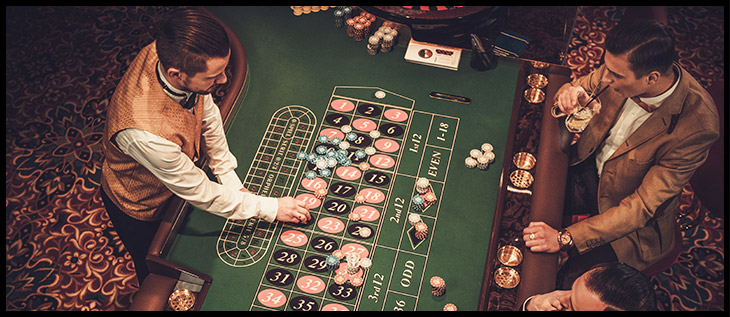
Another significant psychological trigger is the social aspect of gambling. Many individuals are drawn to casinos not just for the games, but for the communal experience that comes with them. Engaging in a game with others, whether at a poker table or a crowded slot area, fosters a sense of belonging. This social reinforcement can intensify the desire to gamble, as players feed off each other’s energy and excitement. The presence of fellow gamblers can create an environment where the stakes feel higher and the fun feels contagious.
Additionally, social comparisons often influence gambling behavior. Players may feel encouraged to keep betting or increase their stakes based on the observed behaviors of others. Seeing someone win a substantial amount can spark feelings of envy or competition, motivating others to gamble in hopes of achieving similar results. This creates a cycle where players feel compelled to engage further, often leading to impulsive decisions that prioritize the thrill of the moment over rational thinking.
Furthermore, the advent of online casinos has magnified the social aspects of gambling. Virtual platforms allow players to interact with one another through chat features, making the experience feel communal even when they are physically alone. This blending of social engagement with gambling deepens the psychological triggers, as players are continuously reminded of a shared experience. The social validation from peers can further compound the urge to gamble, reinforcing a cycle that can be difficult to break.
Addiction and escapism in gambling
For many, gambling serves as an escape from daily life. The allure of casinos, both online and offline, can provide a temporary respite from stressors. This escapism can be particularly appealing in today’s fast-paced world, where people often seek an outlet to unwind. The temporary high experienced during gambling can feel like a reprieve from reality, leading individuals to engage more frequently in order to replicate those positive emotions.
The psychology of addiction plays a pivotal role in this behavior. As players gamble, they experience a flood of dopamine in their brains, creating feelings of pleasure that can be hard to resist. Over time, this can lead to a compulsive need to gamble, often leading individuals to prioritize gambling over other important aspects of their lives. This shift can have detrimental effects on personal relationships, work life, and overall mental health, trapping individuals in a cycle that is difficult to escape.
Awareness of these triggers is essential for promoting responsible gambling. Understanding the reasons behind these behaviors can help players recognize when they are gambling as a means of escape, and encourage them to seek healthier coping mechanisms. With the right support systems in place, individuals can learn to navigate their gambling habits, transforming an activity that can lead to addiction into a more controlled and enjoyable experience.
The influence of marketing and design in casinos
Casinos employ a range of marketing strategies and design elements that exploit psychological triggers to enhance player engagement. From the moment players walk through the door, they are enveloped in a sensory-rich environment designed to maximize excitement. The layout of a casino, with its labyrinthine pathways and lack of clocks, encourages players to lose track of time, increasing their likelihood to stay and gamble longer.
Moreover, strategic placement of machines and tables can create a sense of urgency. For example, the proximity of high-stakes tables to slot machines can tempt players to engage in riskier behavior, as they witness larger bets being placed. Coupled with enticing visuals and promotional messages, such as “limited time offers” or “jackpots waiting to be won,” players may feel compelled to take action, often leading to impulsive gambling decisions.
Additionally, loyalty programs and bonuses serve as psychological incentives that can deepen the connection between players and the casino. By offering rewards, casinos create a sense of indebtedness, prompting players to return and continue gambling. This strategy effectively builds a relationship where the player feels valued, further reinforcing the desire to participate in the games offered. The combination of strategic design and psychological incentives solidifies the casino’s position in the minds of players, making it a difficult environment to resist.
Responsible gaming resources and community support
In light of the psychological triggers that drive casino behavior, it is vital for players to have access to responsible gaming resources. Websites like Neosurf Casino Australia offer valuable information on safe gambling practices, helping players navigate their experiences without falling into the traps of addiction. Understanding these psychological triggers can empower players to make informed decisions about their gambling habits, reducing the risk of harmful behaviors.
Additionally, community support systems can play a crucial role in promoting responsible gaming. Many organizations offer counseling and support groups for individuals struggling with gambling addiction. These platforms provide a safe space where individuals can share their experiences, learn from others, and gain strategies for managing their behavior. By fostering a sense of community, players can find the support they need to maintain a healthy relationship with gambling.
Neosurf Casino Australia stands out as a resource dedicated to providing a safe and enjoyable gaming experience. The platform emphasizes the importance of responsible gambling and offers users insights into various casinos that prioritize player safety. Through education, awareness, and support, players can make choices that align with their values and well-being, ensuring that their gaming experience remains enjoyable and fulfilling.