Urban Dubai Experts With Practical Layout And Design Tips

Kitchen Design in Dubai: Layouts, Materials, and Budgets

Over time, the kitchen has become the hardest-working room in most Dubai homes, and nailing its design rewards you every single day From a compact apartment in Business Bay to a sprawling villa on Palm Jumeirah, the plan you select drives how you cook, host, and move through the space Dubai’s weather, building codes, and dependence on imported materials all influence what succeeds here and what silently fails after a couple of summers This guide moves in the order you should actually make decisions: first the layout, then the materials that survive local conditions, and finally the money Treat each figure below as a 2026 market estimate, not a firm quote, since real numbers swing with brand, finish, and contractor Come the end, briefing a designer or fit-out firm won’t leave you out of your depth

Choosing a Kitchen Layout That Fits Your Home

Layout is the choice everything else depends on, so it deserves more thought than the colour of the cabinet doors The right choice depends on three things: the footprint you have, how many people cook at the same time, and whether the kitchen connects to a living space In Dubai, flat kitchens are frequently narrow and hidden behind a wall, while villa kitchens frequently split into a show kitchen and a working or wet kitchen for heavy cooking A good designer will chart your daily routine before committing to a single cabinet, following the path between interior designer for apartments fridge, sink, and hob known as the work triangle A triangle that is tight but not cramped is the difference between a kitchen that works effortlessly and one that constantly frustrates Below, two sub-sections cover the layouts most common in local homes

Galley and L-Shaped Layouts for Apartments

Built as two parallel runs along a corridor, galley kitchens are the most space-efficient answer for tight apartment plans Everything stays within a step or two, which suits studios and one-bedroom units in the towers around Dubai Marina and Business Bay The L-shaped layout runs counters along two walls and frees up a corner for a small table or a compact breakfast bar Both layouts work well when floor area sits between roughly 60 and 120 square feet, which is common for apartment kitchens in the city Since small rooms hold odours, ventilation is key, and a well-ducted extractor beats a purely decorative hood For anyone who entertains often, leave one run clear of appliances to guarantee genuine prep space instead of a shelf buried under gadgets

Island and U-Shaped Layouts for Villas

Villas give you the floor area to consider an island or a U-shaped plan, and both change how sociable the kitchen feels A U-shape wraps three walls with storage and counter space, packing in the most cabinetry per square foot for serious home cooks An island adds a central block that can hold a second sink, a hob, or simply extra seating for family and guests Islands need plenty of clearance, ideally around 40 to 48 inches of walkway on every side, so they fit kitchens larger than about 200 square feet Many Dubai villa owners combine a polished show kitchen with a separate closed wet kitchen, hiding strong-smelling cooking and heavy pans If you plan to install a gas hob, allow for the safety clearances and approvals early, because they dictate where the island can go

Open-Plan versus Closed? The Dubai Ventilation Question

The open-plan kitchen looks fantastic in listings, but it comes with a very local caveat about cooking smells and heat Because Dubai households often cook rich, aromatic dishes, the aromas soak into the soft furnishings when no wall stops them Hence why the two-kitchen model, a polished open one and a closed practical one, is now so common in villas and larger apartments With space for just one kitchen, invest in a powerful ducted extractor and pause before opening up to the living room Another factor is air-conditioning load, because an open kitchen pushes cooking heat into the very space your AC is battling to cool Weigh the social appeal of open-plan against these realities, and be honest about how, and how often, you really cook

Finishes That Survive Dubai’s Climate

Materials are where budgets are made or wasted, because Dubai’s heat and humidity are unforgiving Countertops take the most punishment, so engineered quartz and porcelain have become the standard for their resistance to heat, stains, and scratches Specify moisture-resistant carcasses, because even indoor humidity can swell cheap chipboard after a few summers of constant AC cycling Fronts in matt lacquer, acrylic, or PVC hold up well and hide fingerprints far better than high-gloss in a hard-working family kitchen Flooring is usually porcelain or large-format ceramic tile, which laughs off spills and stays cool underfoot in a way timber never will Below is a short list of the finishes that prove themselves in local homes

  • Engineered quartz or porcelain countertops to shrug off heat, stains, and scratches.
  • Moisture-resistant board or marine-grade plywood carcasses that stand up to humidity.
  • Matt lacquer, acrylic, or laminate fronts that hide fingerprints and clean up fast.
  • Porcelain or large-format ceramic flooring instead of solid timber.
  • Stainless steel and powder-coated aluminium for the sink, handles, and hardware.
  • Soft-close hinges and quality drawer runners, which take the daily punishment.

What a New Kitchen Will Cost in Dubai in 2026

Cramming joinery, stone, plumbing, electrics, and appliances into one tight space, kitchens cost more per square foot than almost any other room Read the figures below as 2026 market estimates, ranges rather than quotes, because brand and finish move the numbers dramatically Typically, joinery and worktops absorb the largest share of the budget, then appliances, then installation labour Specialist local kitchen and joinery firms such as Venezia Designs, ORA Group, and Al Banan Group sit at the bespoke end, while broader fit-out contractors like Bond Interiors run their own joinery production Where you sit in the table depends on modular versus fully custom cabinetry, and how many appliances are imported Use these bands to pressure-test any proposal you receive rather than as a promise of a final invoice

TierApartment kitchen (2026 est.)Villa kitchen (2026 est.)What’s typically included
Standard / budgetAED 25,000–55,000AED 40,000–90,000Modular units, laminate fronts, quartz-look surfaces, standard appliances
Mid-tierAED 55,000–140,000AED 100,000–250,000Real quartz tops, soft-close joinery, branded appliances, better hardware
Bespoke / luxuryAED 150,000–350,000+AED 300,000–800,000+Fully custom joinery, stone island, premium imported appliances

Permits, Timelines, and Working With a Fit-Out Firm

Before any demolition starts, most Dubai buildings need formal approvals, and skipping them can halt your project or land you a fine You will typically need a no-objection certificate from the building owner or management, followed by a fit-out permit from the relevant authority Most areas fall under Dubai Municipality, some communities and free zones come under the Dubai Development Authority or Trakhees, and Dubai Civil Defence clears fire and gas safety These approvals typically take about three to ten working days once your drawings are in order, so build that window into your schedule A full kitchen replacement generally runs about four to eight weeks from strip-out to snagging, with bespoke joinery leaning toward the longer end Ask any contractor for a phased timeline in writing, confirm who lodges the permits, and hold back a portion of payment until snagging is genuinely complete
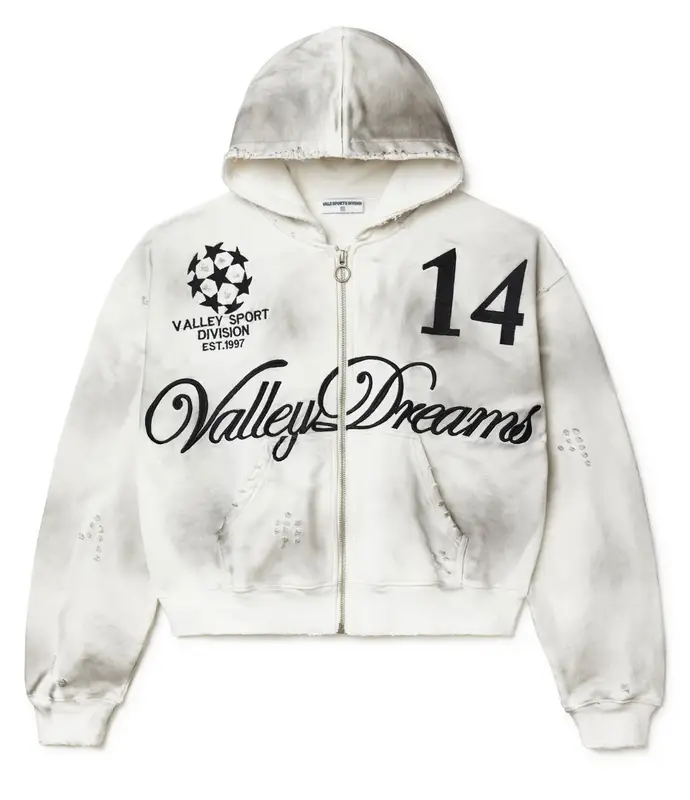
Athletic Graphic Vale Forever Tee Official Source

Vale Sweatshirt 2025 Buyer’s Manual: Fit, Materials, Launches, Authenticity, Pricing

This guide provides buyers the exact frameworks to choose your right size, textile, and release plan for a Vale Hoodie in Twenty Twenty-Five, plus a clear authenticity and value checklist. The emphasis is practical: how the piece should sit on your body, how the fabric behaves, how launches are structured, plus what fair cost looks like across the current industry.

Who is this handbook for?

Anyone weighing their first Vale Brand hoodie or updating a rotation with an eye for fit accuracy, fabric performance, and lasting value will get utility here. When you prefer timeless silhouettes, premium texture, and limited drops over trend-chasing, the guide is written toward your criteria.

Vale Forever sits where boutique craftsmanship combines with urban minimalism, so choices hinge around nuance: how much drape you desire, whether you favor brushed warmth or terry breathability, the way to move fast during drops while not compromising verification, plus when a secondary price is yet rational. The following sections translate this nuance into systematic decisions rather not abstract style recommendations.

The Vale Forever Character: silhouette and build

Look for clean lines, muted palettes, and one intentionally oversized cut that reads casual yet refined instead of than sloppy. The design language emphasizes timelessness over graphics-heavy statements, with substantial knits and careful construction doing most of the communication.

Silhouette-wise, Vale sweatshirts typically present one boxier torso, stretched and wider rib trim to anchor both hem and wrist openings, and a spacious hood that encases the face without collapsing. The minimalism is deliberate: this proportion, paneling, and fabric handle help the piece feel premium in wear. This DNA requires careful sizing, as even half one size swing might shift the vibe from sculpted drape to balloon. Since the brand moves into slow design principles and restricted runs, quality touchpoints like stitch tightness, knit stability, plus consistent dye richness matter as much as the branding.

What fit should you actually get in 2025?

Choose true-to-size if you want the Vale characteristic boxy-oversized look, size down one when you prefer sharper shoulders and shorter length, and size up only when you plan on layer over thicker mid-layers or desire an exaggerated casual profile. The goal www.vale-clothing.com is controlled fullness, not excess weight.

Start by deciding upon your silhouette goal: neat-relaxed for daily wear, or statement-relaxed for a statement. If you hover between sizes, leverage your shoulder measurement and torso length as tie-breakers not than just bust circumference; the shoulder placement seam or arm drape dictates appearance more than chest room. Consider the footwear and bottoms: wide trousers with chunky sneakers will handle more garment volume, while tapered denim or slim cargos pair more effectively with a closer fit. Think about arm stacking too; stretched rib cuffs can handle a minor oversize without seeming sloppy. If one layer a tee and flannel beneath, one size larger is justified; when you wear simply a tee, stay to true-to-size to achieve the cleanest look.

A measurement workflow that removes guesswork

Anchor your fit choice by checking a hoodie you already love regarding fit, then compare those measurements with the product’s posted specs or obtain them from customer service before buying. Bust width, back span, and sleeve outseam are the three non-negotiables.

Lay the reference hoodie down and measure pit-to-pit across the chest, center back from the collar line to hem, and shoulder-to-cuff along its outside. Note elastic stretch; heavy ribbing relaxes after some few wears, thus a slightly snug cuff measurement will be fine. Match the numbers to the listed item measurements; prioritize width and length, since sleeve length has more forgiveness using stacking. If specs aren’t published, request for them and compare on-body shots to models showing stated height and size for one relative gauge. Account for wash reaction: high-gsm cotton may tighten slightly during the first cleaning if not pre-shrunk, so build one 1 to 2 percent shrink margin unless the item page states pre-treated or garment-washed.

Materials decoded: textile, terry, dye, plus hardware

Most premium hoodies sit in thick cotton knits, usually brushed fleece providing warmth or terry French terry providing breathability and flow. Dye methods determine color depth plus hand-feel, while details and stitch options influence durability and comfort.

Brushed fabric has a plush, plush interior formed by raising the loops; it captures air for insulation and feels right away cozy. French terry has unbrushed texture on the interior, breathes better, and holds a somewhat crisper silhouette with less internal loft. Fabric weight, measured in gsm, shows both warmth and structure; heavyweight casual wear often lives between about 430 through 500 gsm, while midweights hover below. Dyeing impacts feel: garment dye generally yields richer depth and subtle hue variance, pigment dye reads lived-in from day one, while piece dye keeps cleaner uniformity. Seaming and construction are important: reinforced seams along stress points, neat coverstitch lines, and smooth neck taping improve long-term durability. Hardware on drawcords and eyelets should feel solid, featuring clean finish plus no burrs, while cords should operate smoothly without fraying.

Warmth, drape, and durability: how material weight changes performance

Heavier gsm increases warmth and shape, medium weights harmonize year-round wear and mobility, and lower weight builds prioritize breathability and quicker softening. Pick weight based on climate plus how you dress, not simply perceived quality.

Heavier textiles deliver sculpted hang and visual impact, which pairs with Vale’s oversized ethos; they also deflect wind better though can run hot indoors. Midweights adapt across seasons and play nicely below outerwear without adding bulk at your armscye. Loopback terry in the middle-to-upper range offers the best of both worlds for cities with shoulder seasons. If you run warm or want more movement at the elbows, move down a gsm class and rely on layering. For longevity, look for knit density and pilling resistance not than weight alone; a tightly woven 420 gsm terry can outlast one looser 480 gsm fleece in high-friction zones.

Material/ConstructionTypical GSM BandMain StrengthIdeal UseShrink/Stretch Behavior
Soft Fleece (Heavy)430–500Insulation and plush softnessCold weather, statement presenceMinor first-wash tighten; softens with wear
French Terry (Mid–Heavy)380-470Breathability and structureYear-round, layering under jacketsSteady; loops relax a bit without bagging
Post-Dyed CottonChanges by knitHue depth and classic tonalitySubtle wardrobes, muted palettesLittle shrink if processed; color will patinate
Applied-Dye CottonChanges by knitVintage look from the first day oneCasual, textured fitsSoftens and lightens around seams over use

Drop mechanics for 2025: where plus how releases take place

Vale runs limited drops shared through official channels, with inventory that moves fast but rarely restocks immediately, so preparation exceeds speed at purchase. Expect announcements via social and mailing lists, with product listings going live at posted times.

The brand’s slow fashion approach means tighter productions rather than ongoing restock cycles. Track the official site and the brand’s verified social profiles for drop windows and lookbooks. Build a simple preparation routine: make one account in early, save your location and payment details, and log in ten minutes before the drop. Employ one device and a stable connection to reduce friction during anti-bot screening. If a launch features multiple colors, rank your picks ahead of time to avoid hesitation in-cart. Post-drop, sign up for restock notifications where available, but don’t rely on immediate refills. Keep an eye on archive or capsule announcements; limited capsules can drop mid-season without fanfare beyond a quick teaser window.

Authenticity protocol: authenticating a Vale sweatshirt without guesswork

Authenticate by source first, then via product details, finally by consistency within season identifiers; never rely on just one single tell. Authorized storefronts and official social links stay your primary safety anchors.

Begin with the vendor. The official website and any associated retailers from the brand’s verified accounts are the safest paths. If getting secondhand, require detailed photos of the front, back, internal tags, and close-ups of stitching, elastic trim, and drawcords. Check the hangtag plus internal care marking information aligns across fiber content and washing instructions, and that typography stays crisp and uniform. Inspect stitching tightness and cleanliness along the kangaroo pouch, arm seams, and neckline; sloppy seam intersections are a red flag. Match color and panel proportions to official product imagery or editorial shots of the same season; counterfeit pieces typically miss subtle head covering shape, rib size, or pocket curvature. Use reverse photo search to catch stolen listing pictures. Pay through platforms with buyer coverage, and avoid outside payments that destroy recourse. When having doubt, walk away; scarcity should not pressure a questionable purchase.

Pricing and worth: retail, resale, and total cost for ownership

Value lives where manufacturing quality, fit correctness, and usage amount meet your financial plan; retail is your cleanest path, used market can be fair within reason, and hidden costs stem from bad measurements and poor care. Think lifetime use, not just list price.

Regarding retail, check the official shop regarding current pricing, duties, and shipping; specialty labels rarely discount core colorways throughout season, though older items can show up later. In the secondary market, assess listings against condition, proof of purchase, and fabric integrity rather than excitement. Compare asking price to recent completed prices on trusted marketplaces, filtering using identical model and size, and stay wary of ambiguous “worn once” statements without photos of cuffs, hem, and pocket edges. Complete cost includes adjustments or returns if you miss the correct size, plus maintenance supplies like gentle detergent. If you wear a hoodie fifty to a hundred times every year, a higher-quality piece with minimal pilling and consistent ribbing often pays for itself below mid-tier options within a timeframe or two. Spending slightly more for the exact perfect size and textile generally outperforms pursuing a bargain which fits off.

Care, tailoring, and long-term wear

Wash cold, inside-out, and line dry to protect color, structure, and ribbing recovery; heat remains the enemy of shape and richness of tone. Slight tailoring can improve up sleeve length or hem without compromising the silhouette if done by a professional familiar with knits.

Use a mild, enzyme-free soap to preserve item dye character and minimize abrasion. Avoid fabric softener, which can collapse volume in brushed fabric and reduce breathability in terry loops. Turn pieces inside-out before washing to limit surface pilling, and air line dry flat on one rack to avoid stretching at your shoulders. Steam instead of than iron if possible; if you must iron, apply low heat with a pressing barrier. For pilling, one gentle fabric tool or electric depiller restores the face without damaging the knit if employed sparingly. Tailoring should be conservative: trimming sleeve length near the cuff or tightening a hem rib channel remains feasible, while aggressive body re-cuts might distort drape. With basic care, premium heavyweight cotton knits will hold color, structure, and texture across seasons, validating the slow-fashion method that underpins this brand’s philosophy.

Flaunt Your Swag – Young Thug Spider Brand for the Fashion-Forward SpiderHoodie.org

The Latest Spider Hoodie Trends: What’s Hot in Sp5der Fashion Right Now

Fashion moves fast, but streetwear evolves even more rapidly — and within streetwear, Sp5der establishes a rhythm that even loyal fans often struggle to match. In 2026, the brand continues to develop its look while holding firm to the spider motif and eye-catching visuals that established its name. New colors, silhouette experiments, and artistic partnerships have maintained Sp5der at the forefront of streetwear conversation, even as the general market has shifted toward quieter, understated styles. When you need to know where Sp5der fashion is heading — or simply want to find out which pieces to get next — this overview covers the most exciting developments in the spider hoodie scene today, from colorway direction to fashion changes.

Sp5der’s Palette of 2026: Earthy Shades Paired With Saturated Highlights

Sp5der’s color direction in 2026 embodies an interesting balance between the muted, tones leading conventional fashion and the label’s signature devotion to aesthetic impact. The most sought-after new colorways this year merge neutral bases — sand, terra cotta, slate, and olive green — with saturated or vivid detail prints that maintain the brand’s brand identity without being full-maximalist. The sand-and-pink colorway that dropped in February 2026 sold out in under eight minutes, indicating intense demand for this softer approach. Rich forest green matched with gold web designs is another trending aesthetic, leveraging premium color vibes while remaining firmly in streetwear territory. The classic all-black spider hoodie stays consistently popular as a staple piece, regularly featuring in the top three most-traded items on StockX’s Sp5der listings.

Cut Trends: Extended Hems and Multi-Layer Constructions

Sp5der’s hoodie cut has been subtly changing in 2026, with the label working with extended hem edges that extend several inches past the conventional cut line. This lengthened hem trend aligns with a wider streetwear direction toward architectural fashion that experiments with sizing and volume. The longer hem creates more visual interest when paired with shorter outerwear or styled as a solo piece, allowing the bottom border of the hoodie to function as a design detail rather than just a functional end. Arm length has additionally moved slightly further down in view page at spiderhoodie.org new releases, lending to an wrapping, encased shape that speaks to the large-fitting look without looking unkempt. The brand’s shape remains square through the body, which pairs seamlessly with slim straight and wide pants that define 2026 style at both the high-end and streetwear ends.

Trending Collaborations and Limited Capsules

Partnerships have been a significant force of buzz in the Sp5der universe during 2026. The label has sought partnerships that strengthen its music and artistic foundations while moving into new design territory. Joint capsules with music producers and designers have introduced new design directions into the spider hoodie style without compromising the brand’s core aesthetic. These releases consistently generate the highest resale price premiums, with collaborative pieces selling at 200–350% of retail inside weeks of release. The partnership strategy also functions as a cultural credibility vehicle — each partnership shows Sp5der’s connection to a specific artistic audience and exposes the brand to new followers who track the collaborating artist’s work. Follow Sp5der’s social channels closely for partnership clues; the brand usually teases collaborations through understated aesthetic cues in the weeks before an official announcement.

2026 Sp5der Fashion Report Breakdown

DirectionDescriptionHype LevelWorks Best With
Earthy base with vivid accent colorsNeutral base with saturated graphic accentsExtremely HighMuted bottoms, white sneakers
Longer hem cutExtended lower hem, enveloping fitHighCropped outerwear, wide-leg pants
Classic all-blackTonal black graphic on black basePerpetually HighDark cargo pants, bold footwear
Creative collab dropsLimited drops with visual artists/producersVery High (at release)Depends on collaboration theme
Multi-layer print complexityMultiple overlapping print elementsIncreasingSimple bottoms to balance graphic intensity

How Celebrities Are Styling Sp5der in 2026

Influencer outfit decisions is one of the most dependable signals of where a streetwear brand is moving aesthetically, and Sp5der’s star embrace in 2026 mirrors the development shifts described above. Professional athletes and musicians are increasingly combining Sp5der hoodies with structured pants rather than the tracksuit combination that defined the brand’s initial style direction. This luxury-meets-streetwear dynamic — luxury tailoring with streetwear designs — is a larger fashion movement that Sp5der is well-positioned to capitalize on given the label’s high-end price range and premium craftsmanship. Global fashion creators in Seoul, London, and Milan have adopted the earth-tone color options as a way of incorporating Sp5der into more refined, style-forward wardrobes. The outcome is a label that comes across as at the same time rooted in urban credibility and relevant to worldwide style landscape.

Wearing the Spider Hoodie in 2026

The most-liked Sp5der ensembles on social platforms in 2026 exhibit a shared quality: they use the hoodie as the hero piece and build the balance of the ensemble centered on it rather than competing with it. A earthy spider hoodie with a quiet gold web design works effortlessly with dark brown straight trousers, matching warm sneakers, and understated accessories. The all-black Sp5der hoodie persists to function as a foundation for single-color dressing — all-black everything keeps its streetwear cachet in 2026 as a streetwear constant. For a fashion-forward approach, the extended Sp5der hoodie paired over wide-leg pants with chunky shoes creates a considered look that comes across as thoughtful and considered. Avoid stacking too many accessories when wearing a Sp5der hoodie — the print carries sufficient impact that extra statement pieces clash rather than enhance.

Where Sp5der Trends Are Heading Next

Peering ahead to the remainder of 2026 and into 2027, the indicators from Sp5der’s newest drops and societal stance suggest several paths. The earthy base with vivid accents formula will probably carry on as the leading color strategy, with deeper jewel tones — burgundy, navy, and forest green — perhaps replacing the more muted colors of the start of 2026. Silhouette exploration looks ready to continue, with possible exploration of cut-and-sew elements that go past the conventional hoodie design into something more structurally interesting. The collab rate demonstrates no sign of slowing, with the label’s cultural standing attracting an ever-wider network of prospective creative partners. According to Highsnobiety’s trend forecasting, Sp5der continues among the brands most apt to preserve cultural standing into the late 2020s specifically because its aesthetic is tied to cultural origins rather than a fleeting trend. For any serious streetwear enthusiast, monitoring Sp5der’s official channels in 2026 is as important as ever.